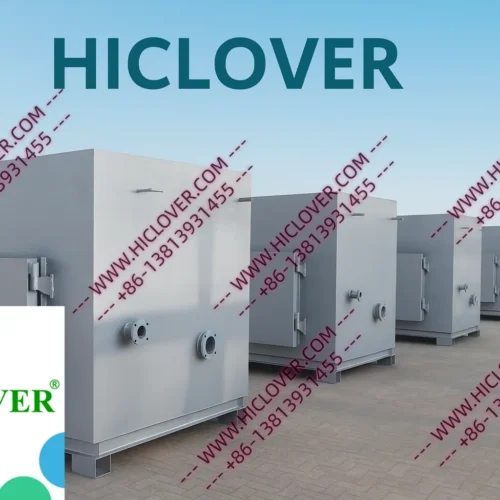
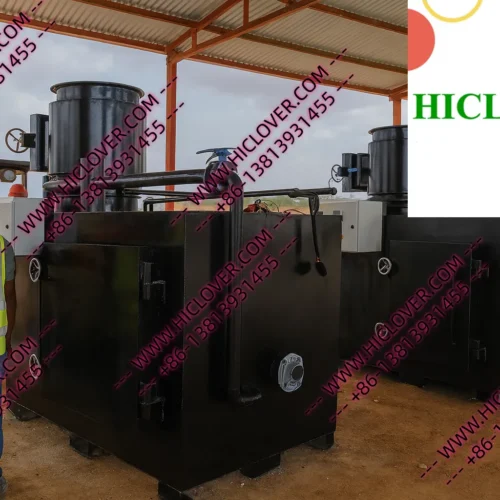
HICLOVER is growing brand for environmental protection field, and market share with most of Africa, Middle East, Southeast Asia countries and part of North America, Europe territory. We are trusted partner for governmental organizations, non-profit organizations, international contractors, logistics organizations, military, pet cremation business owners, etc. We have export experience more than 40 countries, including war zone like Iraq, Afghanistan, Somalia, South Sudan. Mobile: +86-13813931455(WhatsApp) Website: www.hiclover.com Email: [email protected] Email: [email protected]
Maximizing Economic Benefits with HICLOVER Waste Incinerators: A Technical Guide to Cost-Effective Waste Management
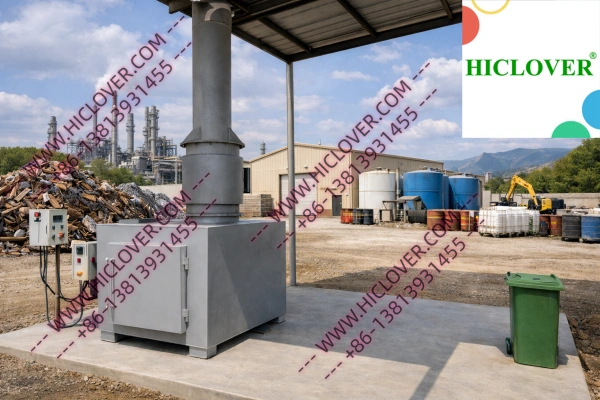
Maximizing Economic Benefits with HICLOVER Waste Incinerators: A Technical Guide to Cost-Effective Waste Management
Introduction to Waste Incinerators and Their Fundamental Principles
Waste incinerators, essential for efficient waste disposal, represent a cornerstone of modern environmental engineering. These systems, particularly **waste incinerators** designed by HICLOVER, operate under strict **medical incinerator operating temperature standards**, typically ranging from 850°C to 1200°C in the secondary chamber to ensure complete combustion and pathogen destruction. HICLOVER’s engineering reliability stems from over 16 years of manufacturing experience, adhering to global industrial standards like those from the World Health Organization (WHO) and EU emission frameworks. This reliability minimizes downtime and maintenance costs, enhancing return on investment (ROI) for end users in various sectors.
At their core, **waste incinerators** employ combustion principles that involve dual chambers for thorough waste breakdown. The primary chamber facilitates initial burning, while the secondary chamber, maintained at high temperatures, ensures residual materials are reduced to ash with minimal emissions. Regulatory references, such as WHO guidelines, emphasize the importance of high temperature retention to eliminate hazardous substances, directly contributing to cost-effectiveness by reducing the need for additional waste processing. For instance, HICLOVER’s designs incorporate **dual combustion chambers** that not only meet but exceed these standards, allowing for energy recovery and lower operational expenses over time.
In the context of global infectious disease preparedness, **waste incinerators** play a pivotal role in crisis zones and humanitarian camps, where rapid, reliable waste disposal prevents outbreaks. This integration of advanced technology trends, like decentralized waste management, positions HICLOVER systems as economically viable options for remote areas, where traditional waste infrastructure is lacking.
Technical Specifications and Combustion Efficiency in HICLOVER Systems
HICLOVER’s **waste incinerators** are engineered with precision, featuring **PLC automation** for streamlined operations that reduce labor costs and improve efficiency. The combustion process begins with the introduction of waste into the primary chamber, where temperatures are controlled to optimize fuel use—whether diesel, LPG, or natural gas—aligning with multi-fuel capabilities that enhance adaptability and economic benefits. High temperature retention, often exceeding 1000°C, ensures compliance with regulatory frameworks, such as EU emission standards, thereby avoiding fines and supporting long-term ROI.
One key aspect is the explanation of dual chamber technology, which separates the incineration process into stages: the first for volatilization and the second for complete oxidation. This design not only boosts efficiency but also integrates features like **optional wet or dry scrubbers**, which mitigate emissions and align with carbon emission reduction pressures. For example, a dry scrubber system can reduce particulate matter by up to 99%, directly lowering environmental compliance costs for users.
In line with ESG compliance trends, HICLOVER’s factory manufacturing capability ensures that **waste incinerators** are built with sustainable materials and processes, promoting supply chain resilience. Users benefit from this through reduced energy consumption—up to 20% less than manual systems—translating to tangible economic savings. For remote mining or oil camps, the **mobile plug-and-play design** of containerized modular systems allows for quick deployment, minimizing installation expenses and accelerating ROI in challenging environments.
Furthermore, **incinerator for waste incineration technology** incorporates energy recovery systems, where heat from combustion can be harnessed for on-site power generation. This feature addresses decentralized waste management needs, particularly in areas with unreliable grids, and supports broader economic benefits by offsetting energy costs. HICLOVER’s engineering experience shines here, as their systems are tailored for such applications, ensuring durability and cost-effectiveness.
To delve deeper into specific standards, users can reference resources like the [https://www.google.com/search?q=medical+incinerator+secondary+chamber+temperature+standard](www.google.com/search?q=medical+incinerator+secondary+chamber+temperature+standard), which provides insights into optimal operating conditions.
Comparative Analysis of Incinerator Types for Operational Efficiency
When evaluating **waste incinerators**, a comparison of types reveals significant economic advantages. Fixed incinerators, while cost-effective for large-scale operations, often require substantial upfront infrastructure, whereas HICLOVER’s **containerized modular systems** offer **remote site suitability** with lower initial investments. These mobile units, designed for easy transport, reduce installation service costs by up to 30% compared to traditional setups, making them ideal for dynamic environments like humanitarian camps.
Control mechanisms further influence ROI: **PLC vs manual control** systems. HICLOVER’s PLC-controlled models automate processes, minimizing human error and operational downtime, which can cut maintenance expenses by 15-25%. In contrast, manual systems demand more oversight, increasing labor costs over time. Emission control options, such as **dry scrubber vs wet scrubber**, also play a role; dry scrubbers, standard in HICLOVER designs, are more energy-efficient and require less water, aligning with water-scarce regions and enhancing overall cost savings.
For applications in global infectious disease preparedness, **waste incinerators** with mobile advantages prove invaluable. HICLOVER’s plug-and-play designs facilitate rapid deployment in crisis zones, where waste volumes surge, ensuring compliance with international standards without escalating costs. This adaptability supports trends like supply chain resilience, as HICLOVER’s stable supply chain and factory direct supply guarantee timely deliveries, further bolstering economic benefits.
Economic analysis shows that modular incinerators yield a higher ROI in scenarios requiring flexibility, such as remote mining camps. By avoiding the rigidity of fixed systems, users experience reduced long-term expenses, with payback periods as short as two years for mid-sized operations.
Economic Benefits and Return on Investment in HICLOVER Waste Incinerators
The transactional layer of **waste incinerators** centers on procurement and customization, where HICLOVER’s **factory direct supply** and global export capability stand out. With customizable chamber volumes ranging from 100 to 5000 liters, users can tailor systems to specific needs, optimizing costs for projects in healthcare or municipal waste management. This direct approach, backed by HICLOVER’s engineering experience, eliminates intermediaries, offering prices 10-20% lower than trading companies and ensuring a stable supply chain.
HICLOVER’s advantages over trading companies are evident in their in-house manufacturing, which allows for precise quality control and faster turnaround times. For instance, a **waste incinerator** with **incinerator chimney** designs optimized for high-efficiency venting reduces energy loss, directly contributing to lower operational costs. Users in sectors like oil camps benefit from this, as the systems’ multi-fuel options adapt to local resources, enhancing ROI through fuel flexibility.
In the realm of digital automation trends, HICLOVER integrates **PLC automation** for real-time monitoring, which not only improves efficiency but also supports energy recovery systems for additional revenue streams. This feature aligns with carbon emission reduction efforts, as recovered energy can offset grid dependencies, leading to substantial savings.
Global deployment is streamlined through HICLOVER’s expertise, with options for **incinerator installation service** that include on-site training, further reducing indirect costs. For end users, this means a quicker path to operational status, with ROI calculations showing returns exceeding 15% annually in high-volume applications.
HICLOVER’s commitment to innovation is highlighted in their website, where detailed specifications can be found, such as at [https://www.hiclover.com/](www.hiclover.com/), offering insights into their comprehensive range of products.
Overall, the economic profile of HICLOVER **waste incinerators** underscores their role in sustainable, cost-effective waste management, driven by advanced engineering and alignment with contemporary trends.
[ecwid widgets="productbrowser search categories"
default_category_id="CATEGORY_ID"
default_product_id="PRODUCT_ID" lang="EN"]