HICLOVER is growing brand for environmental protection field, and market share with most of Africa, Middle East, Southeast Asia countries and part of North America, Europe territory. We are trusted partner for governmental organizations, non-profit organizations, international contractors, logistics organizations, military, pet cremation business owners, etc. We have export experience more than 40 countries, including war zone like Iraq, Afghanistan, Somalia, South Sudan. Mobile: +86-13813931455(WhatsApp) Website: www.hiclover.com Email: [email protected] Email: [email protected]
Niger Waste Incinerator Market Assessment
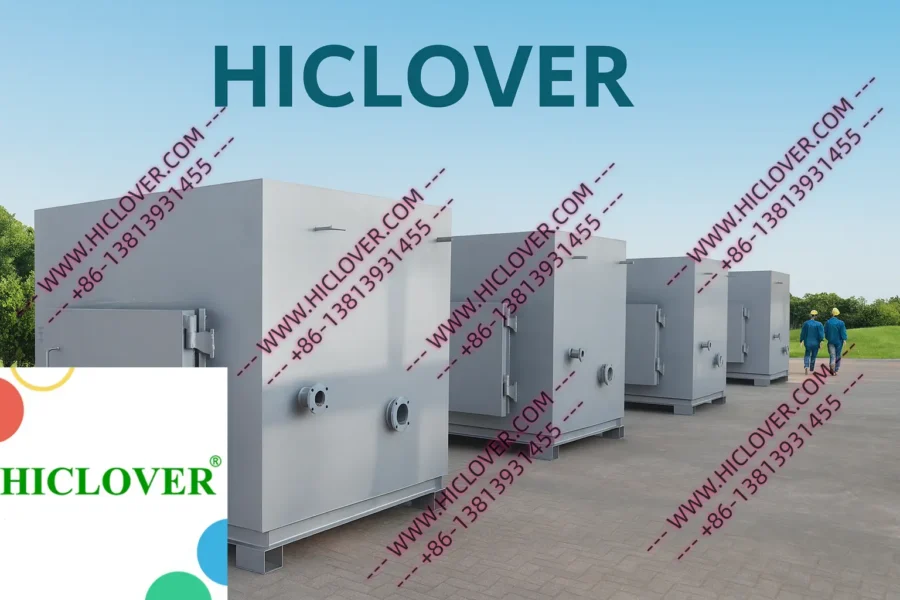
Niger Waste Incinerator Market Assessment
Field-Oriented Insights from Niamey, Zinder, Maradi, Tahoua, Agadez
1. Niger’s operating reality: why incineration is a necessity, not a luxury
Niger is one of Africa’s most logistically challenging countries. Vast territory, a predominantly arid climate, limited infrastructure, and fast-growing urban centers create a waste management environment where conventional landfill-based solutions are often insufficient or unsafe.
Waste generation and institutional activity are concentrated in:
-
Niamey – capital city, hospitals, ministries, UN offices, logistics hubs
-
Zinder and Maradi – major population centers with regional hospitals and markets
-
Tahoua – administrative and security-related facilities
-
Agadez – strategic transit zone with camps, migration-related operations, and humanitarian presence
In this context, incineration is primarily a risk-management tool, used to ensure safe destruction of sensitive waste streams rather than as a mass municipal solution.
2. Structural characteristics of the Niger incinerator market
A. Fragile waste collection systems
In many cities outside Niamey, waste collection coverage is inconsistent. Transporting infectious or sensitive waste over long distances is impractical, pushing decision-makers toward on-site treatment.
B. Waste streams with high health and security sensitivity
The most common incineration-relevant waste in Niger includes:
-
healthcare and laboratory waste,
-
NGO and camp-generated institutional waste,
-
contaminated packaging and emergency-response materials.
C. Extreme operating conditions
High ambient temperatures, dust, fuel variability, and limited technical manpower mean that simple, robust incinerators outperform complex systems in real-world Niger deployments.
3. City-based demand patterns
Niamey – Healthcare, UN, and institutional core
As the political and humanitarian center of Niger, Niamey hosts:
-
major hospitals and clinics,
-
UN agencies and international NGOs,
-
coordination hubs for regional operations.
Incinerators in Niamey are typically specified for infectious medical waste, pharmaceutical disposal, and secure destruction of institutional materials. Dual-chamber incinerators with stable secondary combustion are commonly required in UN-linked projects.
Zinder & Maradi – Regional healthcare and population pressure
These cities serve large catchment areas with:
-
regional hospitals,
-
maternity and vaccination programs,
-
periodic emergency health campaigns.
Here, medium-capacity, top-loading incinerators are favored for their ability to handle mixed, bagged waste with minimal pre-treatment.
Agadez – Camps, transit, and emergency response
Agadez plays a unique role due to migration routes and temporary settlements. Waste management priorities focus on:
-
rapid deployment,
-
mobility,
-
secure destruction under temporary or semi-permanent conditions.
Containerized or mobile incinerators are particularly relevant in this environment.
4. The role of the United Nations and international organizations
In Niger, United Nations agencies and international NGOs are central market drivers, not secondary participants. Their involvement directly shapes:
-
technical specifications,
-
procurement processes,
-
operational standards.
Key expectations in UN-related projects include:
-
clear separation of primary and secondary combustion,
-
documented operating temperatures,
-
operator safety procedures,
-
training and after-sales support.
This favors suppliers with proven designs, conservative engineering, and complete documentation, rather than experimental or overly customized systems.
5. Market demand trends in Niger
-
Healthcare waste incineration remains the dominant segment, especially in donor-funded programs.
-
Mobile and containerized systems are increasingly requested for camps and regional deployments.
-
Buyers prioritize diesel-fired incinerators due to fuel availability and grid instability.
-
Environmental compliance is approached pragmatically: functional emission reduction over complex multi-stage systems.
6. Product–market fit: why HICLOVER aligns with Niger
HICLOVER incinerators are well suited to Niger’s operational constraints:
-
Medical waste incinerators for hospitals and UN facilities
Appropriate for Niamey, Zinder, and Maradi healthcare networks.
→ Medical Waste Incinerator Systems -
Top-loading incinerators for mixed institutional waste
Effective where segregation is limited and waste is bagged or bulky.
→ Top-Loading Waste Incinerators -
Containerized and mobile incinerator solutions
Designed for Agadez-type scenarios, camps, and temporary operations.
→ Containerized Mobile Incinerators -
Optional wet scrubber and gas treatment units
Applied selectively in urban Niamey or donor-sensitive projects.
→ Incinerator with Wet Scrubber System
Key advantage in Niger:
HICLOVER systems emphasize durability, fuel flexibility, modular design, and ease of operation, which are decisive factors in Niger’s climate and institutional environment.
7. Strategic theme highlight: “Incineration for fragile environments”
A compelling Niger-specific positioning theme is “incineration for fragile and remote environments”:
-
minimal infrastructure requirements,
-
rapid deployment,
-
compatibility with UN and NGO operational frameworks,
-
reliable performance under heat, dust, and logistical constraints.
This message resonates strongly in Niamey, Agadez, and regional cities where operational resilience is the primary procurement criterion.
Résumé en français (bref)
Au Niger, la demande d’incinérateurs est principalement portée par les déchets médicaux et institutionnels, notamment à Niamey, Zinder, Maradi, Tahoua et Agadez. Les Nations Unies et les ONG jouent un rôle central dans la définition des normes et des besoins. Les solutions robustes, simples à exploiter, souvent mobiles ou containerisées, sont privilégiées. Les incinérateurs HICLOVER, conçus pour des environnements difficiles et conformes aux exigences opérationnelles des projets internationaux, répondent efficacement aux réalités du marché nigérien.
Mobile: +86-13813931455(WhatsApp)
Website: www.hiclover.com
2025-12-13/18:37:07
|
Incinerator Items/Model |
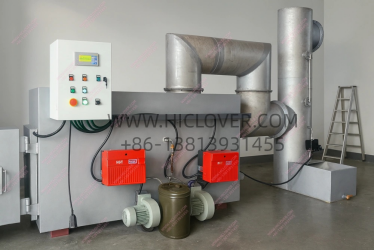
HICLOVER TS100(PLC)
|
|
Burn Rate (Average) |
100kg/hour |
|
Feed Capacity(Average) |
150kg/feeding |
|
Control Mode |
PLC Automatic |
|
Intelligent Sensor |
Continuously Feeding with Worker Protection |
|
High Temperature Retention(HTR) |
Yes (Adjustable) |
|
Intelligent Save Fuel Function |
Yes |
|
Primary Combustion Chamber |
1200Liters(1.2m3) |
|
Internal Dimensions |
120x100x100cm |
|
Secondary Chamber |
600L |
|
Smoke Filter Chamber |
Yes |
|
Feed Mode |
Manual |
|
Burner Type |
Italy Brand |
|
Temperature Monitor |
Yes |
|
Temperature Thermometer |
Corundum Probe Tube, 1400℃Rate. |
|
Temperature Protection |
Yes |
|
Automatic Cooling |
Yes |
|
Automatic False Alarm |
Yes |
|
Automatic Protection Operator(APO) |
Yes |
|
Time Setting |
Yes |
|
Progress Display Bar |
3.7 in” LCD Screen |
|
Oil Tank |
200L |
|
Chimney Type |
Stainless Steel 304 |
|
1st. Chamber Temperature |
800℃–1000℃ |
|
2nd. Chamber Temperature |
1000℃-1300℃ |
|
Residency Time |
2.0 Sec. |
|
Gross Weight |
7000kg |
|
External Dimensions |
270x170x190cm(Incinerator Main Body) |
|
Burner operation |
Automatic On/Off |
|
Dry Scrubber |
Optional |
|
Wet Scrubber |
Optional |
|
Top Loading Door |
Optional |
|
Asbestos Mercury Material |
None |
|
Heat Heart Technology(HHT) |
Optional |
|
Dual Fuel Type(Oil&Gas) |
Optional |
|
Dual Control Mode(Manual/Automatic) |
Optional |
|
Temperature Record |
Optional |
|
Enhanced Temperature Thermometer |
Optional |
|
Incinerator Operator PPE Kits |
Optional |
|
Backup Spare Parts Kits |
Optional |
|
Mobile Type |
Optional:Containerized/Trailer/Sledge Optional |
[ecwid widgets="productbrowser search categories"
default_category_id="CATEGORY_ID"
default_product_id="PRODUCT_ID" lang="EN"]
